

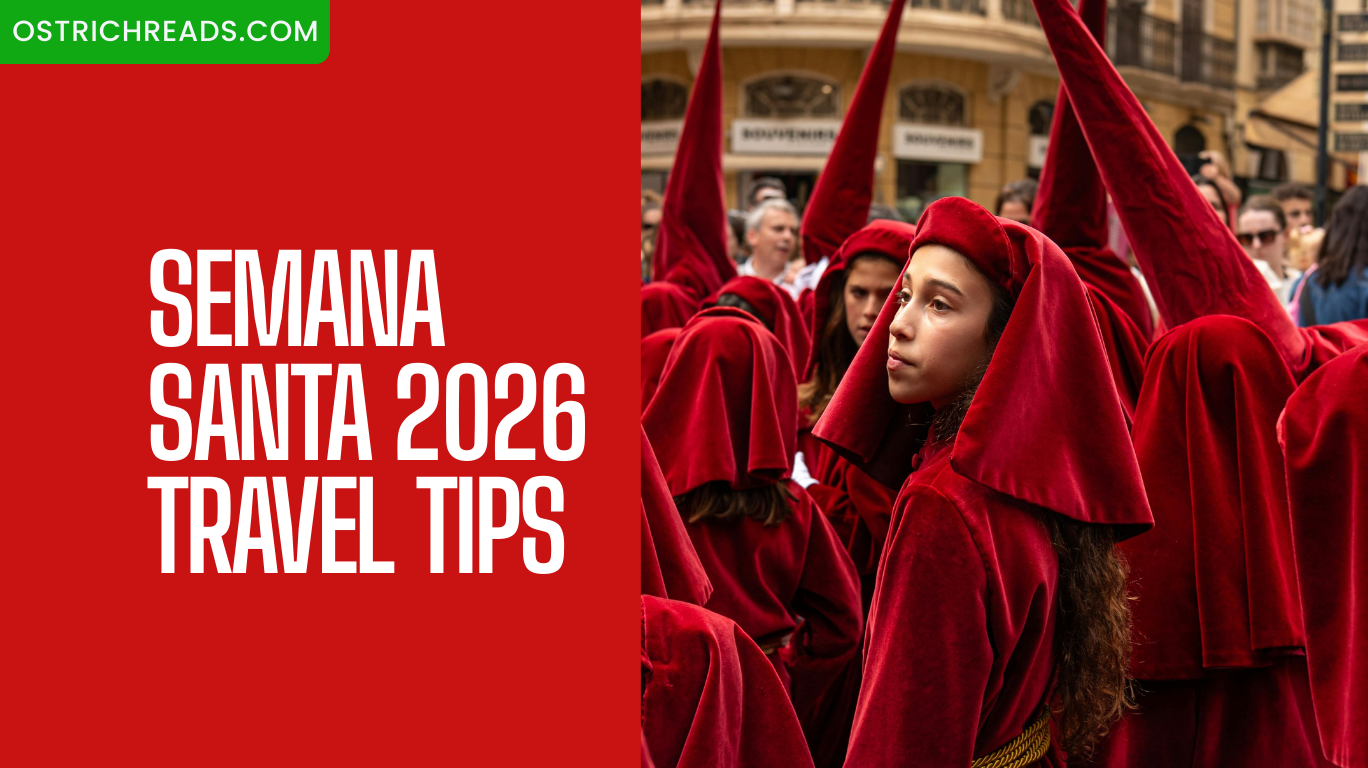

Semana Santa 2026 or Holy Week is one of the most important religious and cultural observances in the Christian calendar. Celebrated across Spain, Latin America, and many parts of the world, it combines deep spiritual meaning with centuries-old traditions, processions, and community rituals.
In 2026, Semana Santa will once again draw millions of people into reflection, celebration, and cultural expression.
When Is Semana Santa 2026?
Semana Santa 2026 takes place from Sunday, March 29, to Sunday, April 5, 2026, ending on Easter Sunday.
Key Dates for Semana Santa 2026
| Day | Date (2026) | Significance |
|---|---|---|
| Palm Sunday | March 29 | Jesus’ entry into Jerusalem |
| Holy Monday | March 30 | Reflection and preparation |
| Holy Tuesday | March 31 | Teachings of Jesus |
| Holy Wednesday | April 1 | Betrayal of Judas |
| Maundy Thursday | April 2 | The Last Supper |
| Good Friday | April 3 | Crucifixion of Jesus |
| Holy Saturday | April 4 | Waiting and reflection |
| Easter Sunday | April 5 | Resurrection of Jesus |
What Does Semana Santa Mean?
Semana Santa means “Holy Week” in Spanish. It commemorates the final days of Jesus Christ’s life, his crucifixion, and his resurrection.
At its core, Semana Santa represents:
- Sacrifice
- Faith
- Renewal
- Hope
For many, it is both a religious journey and a cultural identity marker.
How Semana Santa 2026 Will Be Celebrated
Celebrations vary by country and region, but common elements include:
- Large religious processions
- Statues of Jesus and the Virgin Mary
- Traditional robes and candles
- Church services and reenactments
- Fasting and special meals
Cities like Seville, Málaga, Antigua Guatemala, Mexico City, and Lima are especially famous for their Semana Santa traditions.
Why Semana Santa Is So Important
Semana Santa is not just a holiday—it’s a shared experience that connects history, belief, and community.
People observe it to:
- Reflect spiritually
- Preserve cultural heritage
- Strengthen family traditions
- Participate in communal rituals
Even non-religious visitors often attend for its artistic and historical value.
Semana Santa 2026 Travel Tips
If you’re planning to experience Semana Santa 2026 in person:
- Book accommodations early
- Expect crowds in major cities
- Respect local customs
- Check local procession schedules
- Wear comfortable shoes
Semana Santa is one of the busiest travel periods in many countries.
Fun Facts About Semana Santa
- Some processions take over 8 hours to complete
- Many statues are hundreds of years old
- Traditional robes symbolize penance and humility
- Each region has unique music and chants
- Semana Santa traditions are passed down through generations
Conclusion Table
| Aspect | Details |
|---|---|
| Event | Semana Santa 2026 |
| Dates | March 29 – April 5, 2026 |
| Main Focus | Holy Week & Easter |
| Observed In | Spain, Latin America, worldwide |
| Cultural Impact | Religious & historical |
| Travel Popularity | Very high |
FAQs About Semana Santa 2026
When does Semana Santa 2026 start and end?
It begins on March 29 (Palm Sunday) and ends on April 5 (Easter Sunday).
Is Semana Santa a public holiday?
In many countries, Good Friday and Holy Thursday are public holidays.
Do all countries celebrate Semana Santa the same way?
No. Traditions vary widely by region, culture, and local history.
Can tourists attend Semana Santa events?
Yes, but visitors should be respectful and follow local customs.
Final Thoughts
Semana Santa 2026 is more than a date on the calendar—it’s a powerful blend of faith, tradition, and community that continues to shape cultures around the world. Whether observed spiritually or experienced culturally, it remains one of the most meaningful weeks of the year.
Read more:
How Much Jeff Kay Cobra Kai Paid?













Leave a comment