



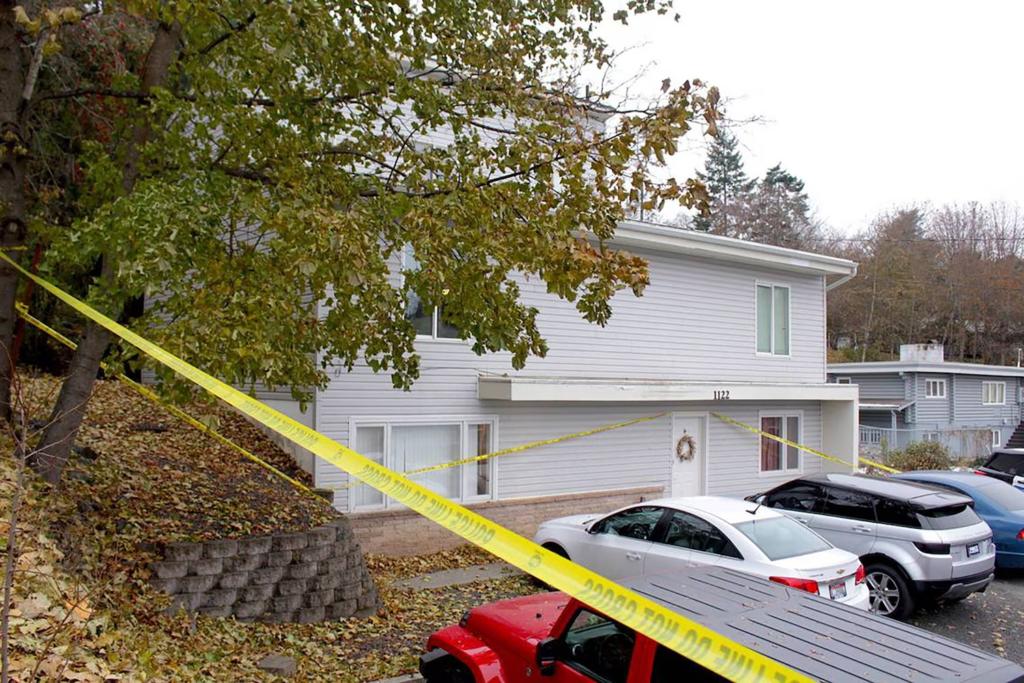
The 2022 University of Idaho murders shocked the United States and became one of the most intensely followed criminal cases of the decade. Four University of Idaho students, Madison Mogen, Kaylee Goncalves, Xana Kernodle, and Ethan Chapin, were found fatally stabbed inside an off-campus home on King Road in Moscow, Idaho, on November 13, 2022.
In July 2025, Bryan Kohberger pleaded guilty to all counts and was sentenced to four consecutive life sentences without the possibility of parole, avoiding the death penalty.
However, even after the conviction, one central question continues to dominate public discussion: what was his Bryan Kohberger Motive?
Why did he do it?
Unlike many criminal cases, the exact motive was never officially declared in court. Investigators presented evidence tying Kohberger to the crime, but not a definitive explanation of his psychological reasoning. Below is a clear breakdown of what is known, what is theorized, and what criminologists believe likely drove the attack.

The Victims
Madison “Maddie” Mogen
- Age: 21
- Major: Marketing (University of Idaho)
- Sorority: Pi Beta Phi
- Personality: Social, outgoing, and close friends with Kaylee Goncalves since childhood
- Instagram: @maddiemogen
Maddie was known among friends as cheerful and welcoming. She worked at the Mad Greek restaurant in Moscow and was considered the emotional “center” of her friend group.

Kaylee Goncalves
- Age: 21
- Major: General Studies (recent graduate)
- Future Plans: Had a job offer in Texas at the time of the murders
- Instagram: @kayleegoncalves
Kaylee had already moved out and was visiting Moscow that weekend to show Maddie her new car. Her presence in the house that night was not part of a regular routine — a detail investigators considered significant.

Xana Kernodle
- Age: 20
- Major: Marketing
- Sorority: Pi Beta Phi
- Instagram: @xanakernodle
Xana was described by friends as energetic and fiercely loyal. She worked alongside Maddie at the Mad Greek restaurant and was in a relationship with Ethan Chapin.

Ethan Chapin
- Age: 20
- Major: Recreation, Sport and Tourism Management
- Fraternity: Sigma Chi
- Instagram: @ethanchapin4
Ethan was not a resident of the house. He was staying overnight with his girlfriend Xana. Friends described him as kind, humorous, and deeply family-oriented — he was a triplet and extremely close to his siblings.

Bryan Kohberger: Profile of the Killer
- Age at arrest: 28
- Education: PhD criminology student at Washington State University
- Field of Study: Criminal behavior and forensic psychology
- Residence: Pullman, Washington (about 10 miles from Moscow)
Kohberger studied criminals academically, which made the case particularly disturbing. Investigators discovered he had researched criminal minds and even previously conducted online surveys asking criminals about their emotions during crimes.
Evidence Linking Him to the Crime
While motive remained unclear, the evidence against him was extensive:
1. DNA Evidence
A knife sheath left at the crime scene contained Kohberger’s DNA.
2. Cell Phone Data
His phone pinged near the victims’ residence multiple times before the murders and again shortly afterward.
3. Surveillance Footage
Cameras recorded a white Hyundai Elantra — matching his vehicle — circling the neighborhood repeatedly the night of the killings.
4. Online Activity
Investigators reviewed search history and behavioral patterns suggesting fixation and planning.
The Leading Motive Theories
1. Targeted Obsession
The most widely accepted theory is fixation on one or more victims.
Investigators believe Kohberger may have:
- Seen one of the victims at a restaurant or online
- Begun monitoring the house
- Conducted repeated surveillance visits
Cellphone data indicated he had been near the residence numerous times prior to the murders — suggesting stalking behavior rather than a random attack.
2. Incel-Type Rejection Theory
Some criminal psychologists believe the murders fit a pattern seen in certain offenders who develop resentment toward socially successful peers.
Possible contributing factors:
- Social isolation
- Difficulty forming relationships
- Fixation on specific individuals
- Desire for control and power
Many experts note the victims represented the kind of social life he reportedly struggled to achieve — popularity, friendships, and relationships.
3. Criminal Curiosity / “Experiment” Theory
This theory disturbed investigators the most.
Because Kohberger studied criminology, some experts suspect he:
- Fantasized about committing a crime
- Wanted to test forensic investigation methods
- Overestimated his ability to avoid capture
His academic interest in criminal psychology and forensic procedures made this possibility especially chilling.
4. Thrill-Based Violence
Another theory: power and control rather than personal hatred.
The attack occurred:
- Late at night
- With a knife (very personal weapon)
- Inside a residence
These characteristics often appear in crimes driven by domination rather than revenge.
Why There May Never Be a Clear Answer
Kohberger pleaded guilty in a deal that prevented a full trial, meaning:
- No extensive courtroom testimony
- No psychological confession
- No detailed prosecution narrative
Because of this, a fully confirmed motive may never be publicly established.
Impact on the Community
The murders changed Moscow, Idaho permanently:
- Campus safety policies were strengthened
- Students transferred or moved home
- The King Road house was later demolished
For the families, the sentencing brought legal closure — but not emotional closure.
FAQs
Did Bryan Kohberger know the victims personally?
No confirmed direct personal relationship has ever been proven. Authorities believe he likely observed or followed at least one victim before the attack.
Was the attack random?
Investigators strongly believe it was not random and that the house or a specific occupant was targeted.
Why did he plead guilty?
To avoid the death penalty.
Did he confess the motive?
No. He admitted guilt but never publicly explained why he committed the murders.
Was he mentally ill?
No official diagnosis has been released publicly. Experts continue to debate psychological factors.
Conclusion
The Idaho murders remain one of the most unsettling modern criminal cases because the central question, motive, is still largely unanswered. Evidence shows planning, surveillance, and intentional targeting, but without a confession, the psychological reason remains speculative.














Leave a comment