
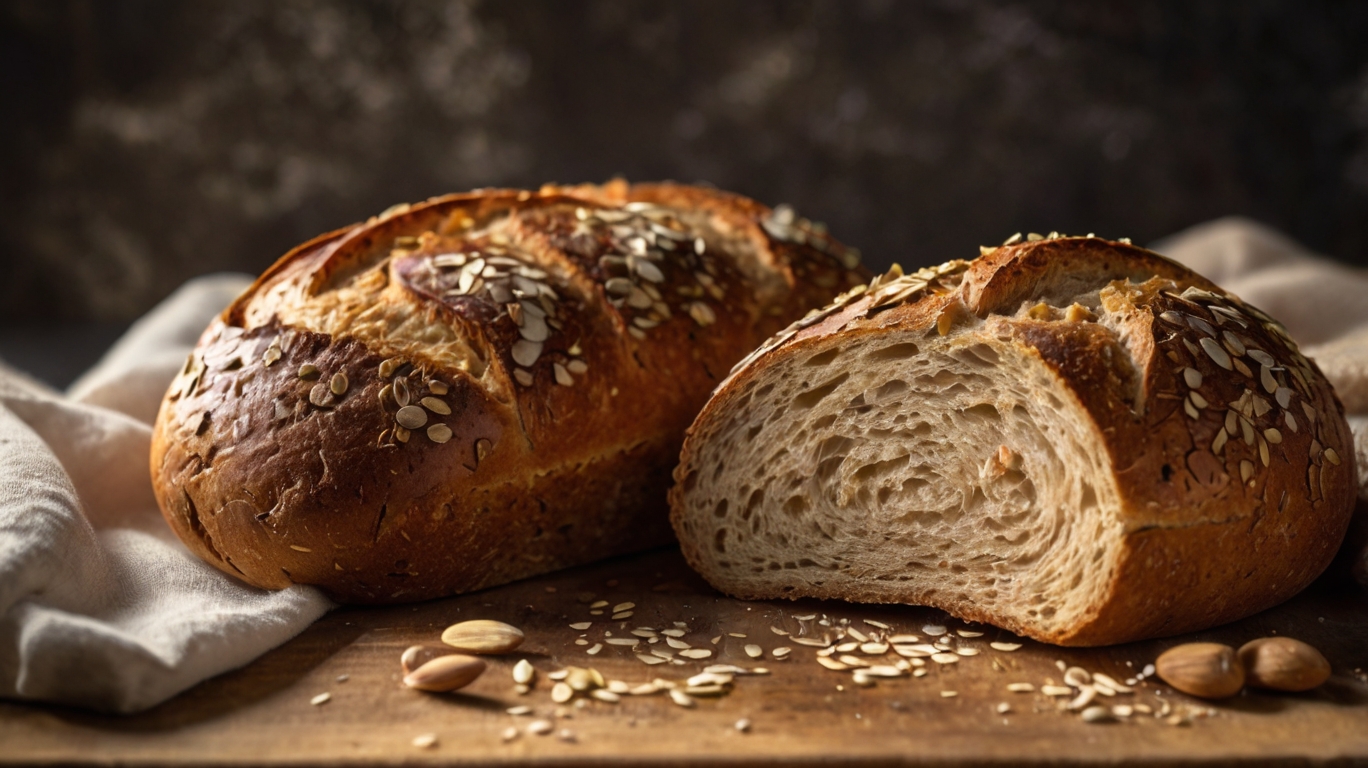
Healthy bread plays an important role in a balanced diet when selected carefully. Although bread often gets a bad reputation, the right type can provide fiber, energy, and essential nutrients. Therefore, understanding what makes bread healthy is key to making smarter food choices.
Instead of avoiding bread entirely, learning how to choose better options can support long-term health goals.
What Is Considered Healthy Bread?
Healthy bread is made from whole or minimally processed ingredients. Most importantly, it retains the natural fiber and nutrients found in grains.
Unlike white bread, healthy bread does not rely heavily on refined flour. As a result, it offers better blood sugar control and longer-lasting energy.
Why Healthy Bread Matters in Your Diet
Bread is a staple food for many people. However, the type you choose can either support or harm your health.
For example, whole-grain bread helps slow digestion and keeps you full longer. In contrast, refined bread may cause rapid blood sugar spikes and increased hunger.
Key Benefits of Healthy Bread
- Improved digestion due to higher fiber
- Better gut health and regularity
- More stable energy levels
- Enhanced nutrient intake
Because of these benefits, healthy bread can fit well into most eating plans.
Types of Healthy Bread You Should Know
Whole Grain Bread
Whole-grain bread contains all parts of the grain. Therefore, it provides fiber, B vitamins, and minerals.
Always check that “100% whole grain” is listed as the first ingredient.
Whole Wheat Bread
Whole wheat bread is often confused with whole grain bread. While it is healthier than white bread, the quality can vary.
For this reason, label reading is essential.
Sprouted Grain Bread
Sprouted grain bread is made from grains that have started to sprout. As a result, nutrients may be easier to absorb.
Additionally, many people find sprouted bread easier to digest.
Sourdough Bread
Sourdough bread is naturally fermented. Because of fermentation, it may support gut health and reduce bloating.
Traditional sourdough made with whole grains is the healthiest option.
Gluten-Free Healthy Bread
Gluten-free bread can still be healthy. However, it should be made from whole-food ingredients rather than refined starches.
Otherwise, some gluten-free breads may lack fiber and nutrients.
How to Read Bread Labels Correctly
Reading labels helps you avoid misleading claims. For instance, “brown bread” does not always mean healthy.
Look for these signs:
- Whole grains listed first
- At least 3–5 grams of fiber per slice
- Low added sugar
- Short ingredient list
On the other hand, avoid breads with artificial preservatives or hydrogenated oils.
Healthy Bread vs White Bread
| Feature | Healthy Bread | White Bread |
|---|---|---|
| Fiber | High | Low |
| Nutrients | Rich in vitamins | Mostly removed |
| Blood Sugar Impact | Slow increase | Rapid spike |
| Fullness | Long-lasting | Short-term |
This comparison clearly shows why healthier options are recommended.
Can Healthy Bread Help With Weight Management?
Healthy bread can support weight control when eaten in moderation. Because fiber slows digestion, it helps reduce overeating.
Moreover, pairing bread with protein or healthy fats improves satiety.
Good combinations include:
- Whole-grain toast with eggs
- Sprouted bread with avocado
- Sourdough with nut butter
How Much Healthy Bread Is Ideal?
Portion size still matters. Even healthy bread contains carbohydrates.
Generally speaking:
- 1–2 slices per meal works for most people
- Balance bread with vegetables and protein
However, individual needs may vary.
Common Myths About Healthy Bread
Myth: Bread is always unhealthy
Fact: Quality and ingredients matter more than avoidance
Myth: Gluten-free bread is automatically better
Fact: Many gluten-free options are highly processed
Myth: Carbs should be eliminated
Fact: Whole-grain carbs provide energy and nutrients
Final Thoughts
Healthy bread can be a nutritious and satisfying part of your daily diet. When chosen wisely, it supports digestion, energy, and overall wellness.
Ultimately, focusing on whole ingredients, reading labels, and practicing moderation allows healthy bread to fit into almost any lifestyle.